


Backflow Testing in Miami & Miami Beach
Backflow Protection for Irrigation Systems
Conserva Irrigation of Miami provides Backflow Testing for irrigation systems in Miami. A licensed and certified backflow tester evaluates the backflow device and records the results on the required test form. This testing confirms whether the device prevents contaminated water from reversing into the property’s water supply.
Backflow occurs when a pressure change reverses the intended direction of water. Because irrigation lines can come into contact with fertilizer, pesticides, and animal waste, a functioning backflow device is critical to water-supply protection.
Schedule Backflow Testing for your irrigation system. Connect with our team online or call (786) 629-6793.
Protect Your Property and Prevent Water Damage
Conserva Irrigation of Miami provides backflow testing in Miami to maintain clean water supplies and meet local compliance standards. Backflow devices stop contaminated water from reversing into the main supply. In coastal environments with heavy rainfall and storm activity, these devices are essential for maintaining safe, stable water flow.
Local regulations in Miami require routine testing for many residential and commercial properties. These requirements protect individual properties and the broader public water system. Property owners are responsible for ensuring their devices function correctly and meet inspection standards set by local authorities.
What Is Backflow Testing?
Understanding the Process
Backflow prevention testing is a controlled inspection used to confirm that a backflow preventer is operating as intended. The device allows water to move in one direction while stopping reverse flow into the supply line. During testing, the tester takes measurements from the assembly to determine whether its protective components maintain the required pressure conditions.
The results show whether the assembly is functioning correctly or needs attention. Testing also creates the documentation needed for annual compliance reporting.
Purpose of a Backflow Preventer
A backflow device protects the water supply by stopping contaminants from entering through a cross-connection. A cross-connection is a point where a drinking-water line could come into contact with a nonpotable source, such as an irrigation system.
A pressure vacuum breaker (PVB), reduced pressure zone valve (RPZ), or Double Check Valve Assembly may be used for backflow prevention. The correct testing procedure depends on the assembly installed at the property.
Signs You May Need Backflow Testing
Changes in system performance or water quality may indicate the need for testing. Common signs include:
- Unusual taste or odor in water
- Reduced or inconsistent water pressure
- Unexpected pooling of water in the yard
- Higher water bills without increased usage
- Visible water stains on walls or ceilings
- Skin irritation after water use
- Noticeable changes in well water levels
Humidity and seasonal weather changes can affect system components over time. Regular inspections identify these issues early and help maintain consistent performance.
For backflow testing that complies with applicable regulations, call (786) 629-6793.
What Happens After a Failed Backflow Test?
A failed test means the device can’t be relied on for cross-connection protection in its current condition. We provide options to remedy the issue based on the results. A failed device may also be tagged with a failure notice and shut off.
Prompt action restores the device to a condition in which it can be tested and documented again. Routine testing identifies performance problems before the assembly is relied on for another annual compliance period.
Our Backflow Testing Process
Scheduled Appointment
A licensed and certified backflow tester arrives at the scheduled appointment time and identifies the device serving the irrigation system. The assembly type must be confirmed before its components can be tested correctly.
Device Testing
The tester evaluates the backflow device for efficacy using measurements taken from the assembly. These readings show whether the valves and other protective components maintain the pressure conditions needed to stop reverse flow.
Required Documentation
Testing results are recorded on the required backflow test form. The documented results state whether the device passed or failed. If it fails, we explain the available remedy options and the next action for the device.
Choosing a Backflow Testing Provider
A qualified provider must understand how to test the installed assembly and complete the required documentation. For annual backflow testing in Miami-Dade County, the tester must hold valid Florida certification.
Our scheduled process covers device identification, performance testing, and result documentation. You receive a clear test record rather than a general irrigation inspection.
Benefits of Professional Backflow Testing
Professional testing determines whether the device is operating effectively before a performance problem compromises its protective role. It also provides the formal results needed to document annual testing.
When a device fails, clear findings allow the property owner to make a prompt remedy decision. Once corrected, the assembly can again serve its intended backflow prevention function.
Frequently Asked Questions
- How Often Should Your Backflow Device Be Tested?
Backflow preventers should be tested annually to confirm that they operate correctly and meet applicable regulatory requirements. - What’s the Life Expectancy of Your Backflow Preventer?
Service life depends on maintenance, water quality, environmental conditions, and the condition of the installed device. - What Happens If Your Backflow Preventer Fails?
A failed device can allow contaminated water to enter the clean water supply. It requires prompt attention and may need repair or replacement. - Can You Test Your Backflow Device Yourself?
Testing must be performed by a qualified professional using certified equipment to meet local compliance standards. - What Are the Most Common Causes of Backflow?
Common causes include sudden pressure changes, damaged valves, and flooding that disrupts normal water movement.
Certified Backflow Testing Services
Annual Backflow Testing gives Miami property owners documented information about the condition of an irrigation-system backflow device. Our tester evaluates the assembly and records the results on the required form.
If the device doesn’t pass, we provide options to remedy the issue. This focused process allows homeowners, homeowners associations, and commercial property managers to address testing and documentation requirements based on the device’s measured performance.
Conserva Irrigation of Miami offers Backflow Testing appointments for irrigation-system backflow devices in Miami.
Arrange documented Backflow Testing with a licensed and certified tester. Connect with our team online or call (786) 629-6793.

-
Arrive on Time
A Conserva Licensed and Certified Backflow Tester will arrive at your house when scheduled and will introduce themselves to you. If this is their first time at your property they may need to be directed to the location of the backflow device.
-
Device Testing & Grading
The technician will test the backflow device for efficacy and make note of the results on the required backflow test form.
-
Analysis
If the device passes the test, you will be informed of such and the required paperwork will be filed, if applicable. If the device fails the test, you will be approached with options to remedy the device. If no action is taken, the device will be tagged with a failure notice and shut off.


-
1Free InspectionWe evaluate your current setup and create a System Efficiency Score to identify exactly what's working and what's wasting water.
-
2Fix the Urgent StuffOur experts fix critical issues first, prioritizing repairs that will have the biggest impact on water savings and system performance.
-
3Optimize PerformanceWe fine-tune sprinkler placement, adjust nozzles, and ensure even water distribution across your landscape for maximum efficiency.
-
4Upgrade TechnologyReplace outdated timers with intelligent controllers and sensors that reduce water usage by 40-60% while keeping your lawn healthy.
-
5Keep Things WorkingChoose from our maintenance plans to ensure your system stays efficient year after year, protecting your investment and savings.
-
 What's Your Water IQ?Water is one of the earth's most abundant resources, yet it's also one of the most precious and unfortunately, one of the most often wasted. To understand our passion for water conservation, consider these facts.
-
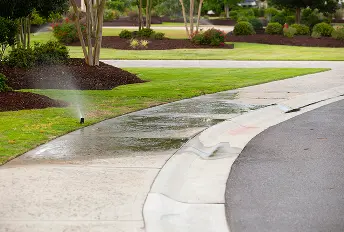 Products & PartnershipAt Conserva Irrigation®, we pride ourselves on offering the best irrigation and water conservation products available. That's why we're happy to partner with Toro and Hunter, the leaders in turf and landscape maintenance. We work together to bring you beautifully green lawns with less waste.
-
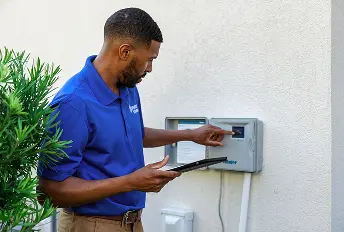 Hunter Hydrawise ControllerThe Hunter Hydrawise Wi-Fi Controller is the most advanced sprinkler system controller on the market. The Hydrawise controller uses real-time local weather data to automatically adjust your watering schedule, so your yard gets watered only when it's needed and never when it's not.